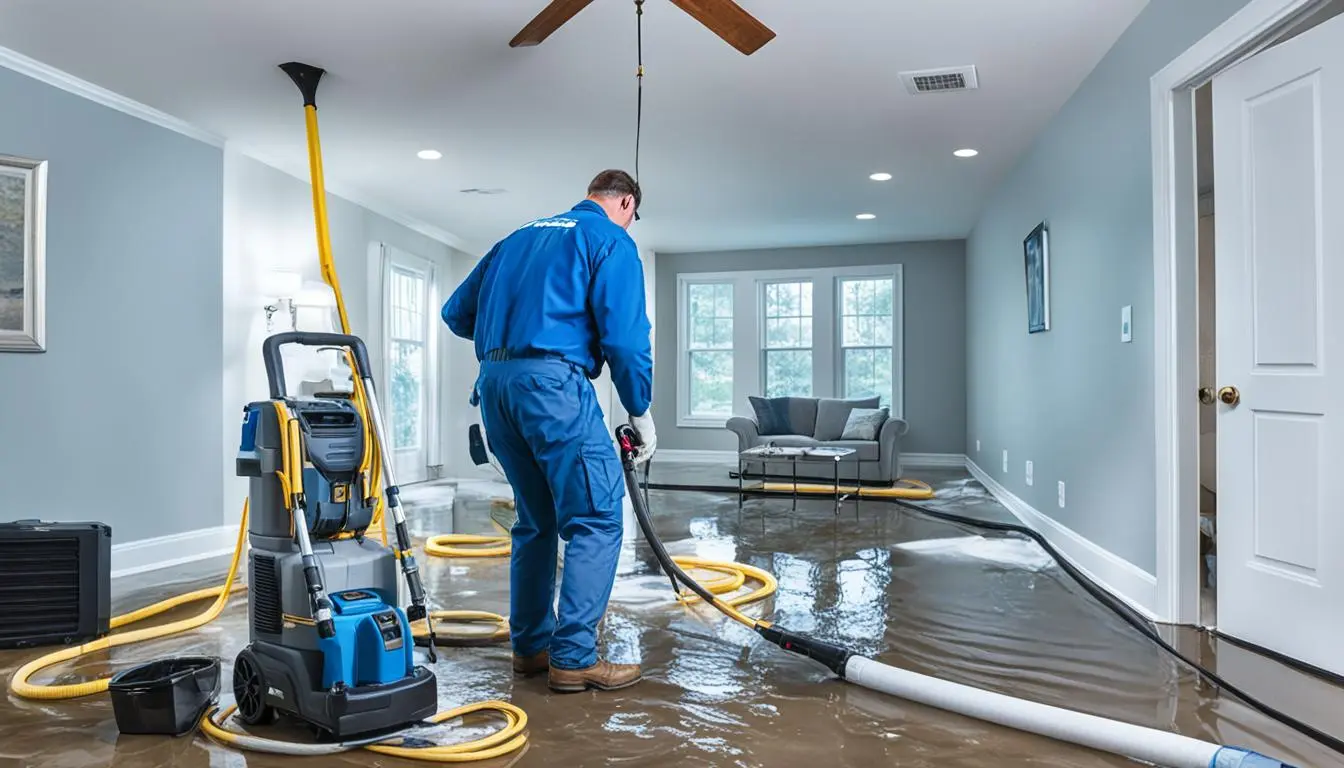
Water Damage Restoration Services For Lancaster Homes

Water Damage Restoration Services For Lancaster Homes

Water damage can disrupt a home before you have time to figure out what happened. Leaking pipes, overflowing appliances, roof leaks, or heavy rain can leave moisture across floors, walls, ceilings, and belongings. G Brothers Restoration & Home Remodeling provides water damage restoration services in Lancaster, with a practical approach to assessing affected areas and organizing recovery steps for you.

When A Water Problem Changes Your Home in Lancaster, TX

A water problem can move beyond the spot where it started. Moisture may reach flooring, drywall, cabinets, ceilings, or belongings before the full extent becomes obvious. Acting early gives homeowners a chance to understand affected areas and decide what needs attention instead of dealing with the problem room by room.
G Brothers Restoration & Home Remodeling provides water damage restoration services for Lancaster properties. When looking for water damage restoration near me, tell us the cause, when you noticed it, and the parts of the property that are affected. That helps us understand the situation and discuss practical options.

Where Water Problems Often Begin

Water incidents can start in places you use every day, sometimes without much warning. A failed connection, appliance leak, or roof issue can introduce moisture into materials that were never designed to handle it. Recognizing the source can help explain how the problem developed and where water may have traveled afterward.

Plumbing Breaks

A burst pipe or failed fixture can release water rapidly. We focus on the reported source and nearby areas so you can understand what may have been exposed and what should be considered first.

Appliance Leaks

Washers, dishwashers, refrigerators, and water heaters can create unexpected leaks. We consider surrounding floors, cabinets, walls, and connected spaces when discussing how the incident affected your home and what restoration needs may follow.

Roof Intrusion

Rain entering through a damaged roof can affect ceilings, insulation, walls, and flooring. Tell us where water appeared inside the home so those areas can be considered alongside the exterior source during planning and restoration.

Hidden Moisture

A slow leak may leave damp materials behind walls, beneath flooring, or inside cabinets. Changes such as staining, swelling, or musty odors can provide useful clues when describing the problem and its history to us.
Look Beyond The Visible Water

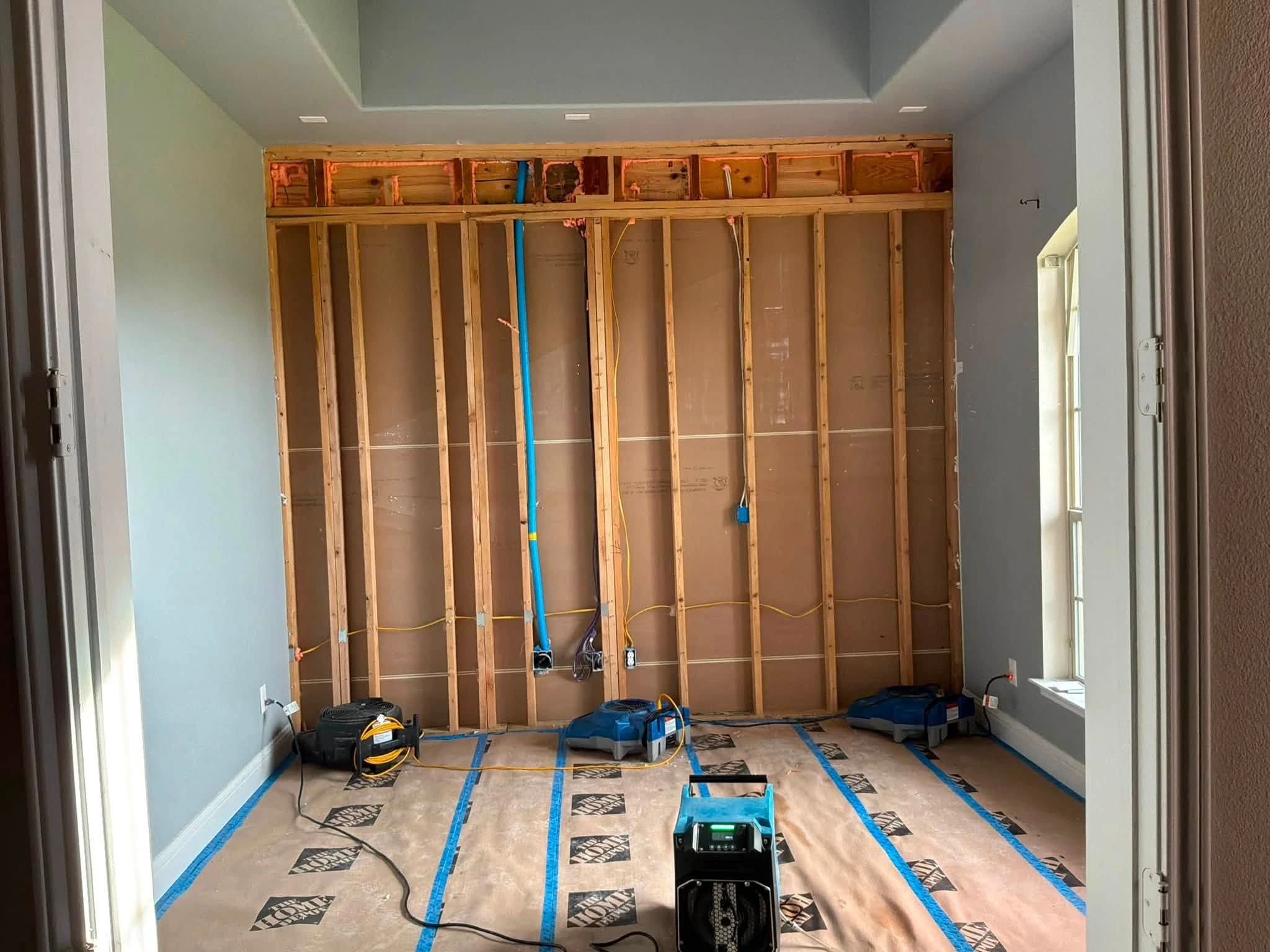
Water damage does not always look severe when it first appears. A small patch of staining may sit above a larger moisture problem, while soaked materials can remain damp after standing water is gone. Paying attention to these early signs can help you decide when professional attention may be appropriate.
Home water damage restoration may involve more than cleaning what you can see. G Brothers Restoration & Home Remodeling considers the areas affected by the incident and the conditions around them. This broader view can help keep the restoration plan connected to the actual underlying problem inside your Lancaster home.

From First Notice To A Drier Home

Find The Source

We start with the information you provide about the leak, overflow, or water entry. Knowing where the problem began helps frame the affected area and the conditions that may have followed inside your home initially.

Map Affected Areas

We consider which rooms, surfaces, and materials may have been exposed. Looking at the spread of moisture helps distinguish the original problem from areas that may have been affected elsewhere inside the property and home.

Plan Necessary Work

Once the situation is clearer, we discuss the restoration work that fits the property’s condition. The focus stays on affected areas and the practical next steps needed to move the project forward without unnecessary changes.

Move Toward Recovery

The final stage centers on work required to bring affected spaces back toward normal use. We keep communication open so you understand what has been addressed and what comes next during recovery along the way.

What Should You Expect From Lancaster Water Restoration?

Careful Moisture Review

Our water damage restoration experts look at where water originated and which areas may have been exposed. This broader review helps keep restoration planning focused on the actual scope of the problem before work begins.

Straightforward Updates

Water damage can leave homeowners unsure about what needs to happen next. We keep communication clear, explain the work being considered, and help you understand the process from start to finish without leaving details unclear.

Practical Restoration Focus

Every water incident has different conditions. We keep attention on the affected spaces, the source of the problem, and the work needed to bring your property toward normal use without adding disruption to your household.

Frequently Asked Questions

Turn off the appliance and water supply if it is safe to do so, then keep people away from electrical hazards and standing water. Move nearby belongings only when practical. Note how far the water traveled and tell us which floors, walls, or cabinets became wet.
Changes such as buckling, lifted edges, soft spots, gaps, or unusual sounds can indicate moisture below certain flooring materials. Do not pull the flooring apart simply to check. Tell us what you noticed, where it occurred, and what caused the water so the affected area can be discussed.
A ceiling stain can indicate that water entered through the roof or another exterior opening. Keep furniture away from the area and avoid disturbing a weakened ceiling. Note when the stain appeared and whether it has changed, then share those details when discussing the property.
Yes. A dishwasher leak can send water beneath or behind cabinets where it may not remain visible on the floor. Check for swelling, discoloration, dampness, or changes in cabinet bases. Explain where the appliance sits and how long the leak may have continued when contacting us.
Once you can safely do so, shut off the water supply and keep away from electrical equipment exposed to moisture. Take note of where water collected and which materials were affected. The amount of water and time involved can help explain the situation when discussing mitigation or restoration.
A musty odor can have several causes, but lingering moisture is one possibility worth considering. Look for nearby staining, damp materials, condensation, or changes around plumbing and flooring. If the smell persists, describe its location and any related water history so the property can be discussed more thoroughly.
Water can travel through flooring, doorways, walls, or other connected areas, making the original leak location only part of the problem. Tell us where the water started and which additional spaces became wet. This helps keep attention on the broader affected area rather than a single visible spot.
Gather information about what caused the water problem, when it happened, and which rooms or materials were affected. Take photos when it is safe and note any odors, staining, swelling, or standing water. Having these details ready can make the initial conversation more focused and useful.
Look at how clearly the company explains the situation, how it approaches affected areas, and whether the proposed work matches the problem you are facing. Ask what information they need, how communication is handled, and what the next steps are before agreeing to the work.
Yes. Fixing the source does not automatically mean all affected materials are dry or returned to normal. If flooring, walls, cabinets, or other areas still show moisture-related changes, describe what happened and what remains different so restoration needs can be considered.

Bring Your Home Back From Water Damage With Practical Help

When water disrupts your home, knowing where to start can be difficult. G Brothers Restoration & Home Remodeling provides home water damage restoration in Lancaster, helping you address affected areas and plan the work ahead. Contact us to discuss the situation and take the next practical step toward recovery.